Introduction
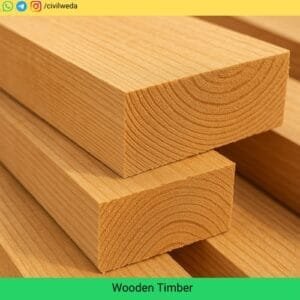
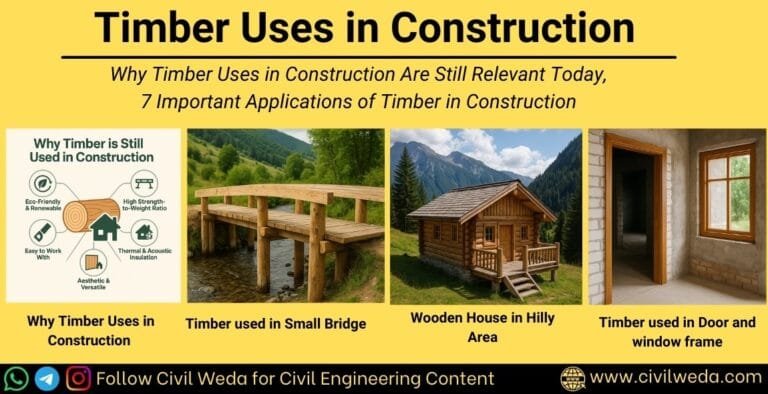
Timber uses in construction have played a vital role for centuries, making timber one of the oldest and most trusted building materials. From ancient wooden houses to historic bridges and modern hybrid structures, timber has always been a key material for builders and civil engineers.
Even in today’s era of concrete and steel, timber continues to hold its place in the construction industry. Its natural strength, high strength-to-weight ratio, and durability make it suitable for a wide range of structural and finishing works. Timber is also easy to cut, shape, and join, which saves time and cost during construction.
For civil engineers, timber is more than just a traditional material — it is a sustainable and eco-friendly option that supports green building practices. Whether used for scaffolding, formwork, doors, windows, or flooring, timber remains versatile and practical.
In this guide, we will explore the 7 most important timber uses in construction that every student, site supervisor, and builder should know.
Don’t forget to learn more about seasoning of timber – including its types, ojjectiove – in our detailed Seasoning of Timber.
Why Timber Uses in Construction Are Still Relevant Today?
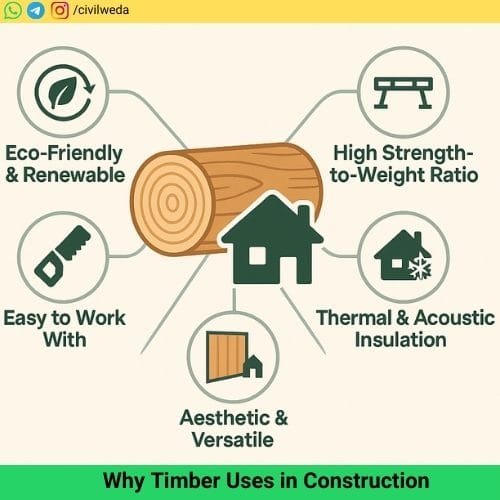
Timber has been one of the most trusted building materials for centuries, and its relevance in construction has not faded even in the age of concrete and steel. The continued timber uses in construction are driven by its unique combination of strength, sustainability, and workability that few other materials can match.
1. Renewable & Eco-Friendly
Timber is a naturally renewable material that supports sustainable building practices. It stores carbon throughout its life, helping to lower the carbon footprint of construction projects.
2. High Strength-to-Weight Ratio
Although timber is lightweight, it can carry significant structural loads. This property makes it suitable for beams, trusses, formwork, and other critical structural components.
3. Easy Workability
Timber can be easily cut, shaped, and joined with basic tools without heavy machinery. This reduces construction time and lowers labor costs on site.
4. Natural Insulation & Acoustic Benefits
Its cellular structure acts as a natural barrier to heat and sound. This improves indoor energy efficiency and enhances comfort in residential and commercial buildings.
5. Aesthetic & Versatile
The natural texture and warm appearance of timber add character to interiors and exteriors. It blends well with modern designs, making it popular for both structural and decorative applications.
These qualities prove that timber uses in construction remain practical, cost-effective, and highly relevant even in modern building practices.
7 Important Applications of Timber in Construction
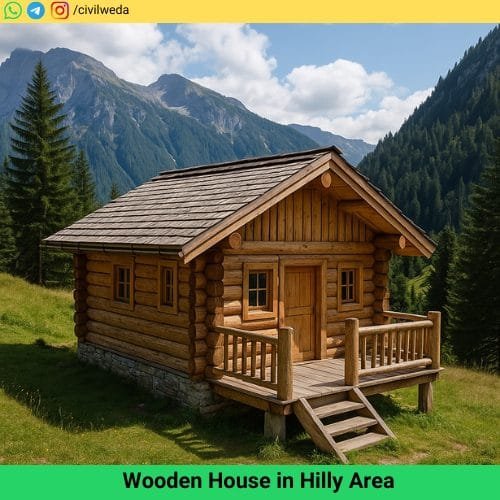
The timber uses in construction have remained essential for centuries because of timber’s versatility, strength, and easy availability. Even in the modern age of concrete and steel, timber continues to play a vital role in several building applications. Below are the 7 most important timber uses in construction that every civil engineering student, builder, and site supervisor should understand.
1. Structural Components
Among the most significant timber uses in construction is its application in structural components. Timber is widely used to build beams, posts, columns, roof trusses, and wall frames in low- to medium-rise buildings. Because of its high strength-to-weight ratio, timber is easy to transport and install without heavy equipment. In hilly or rural areas, where transporting steel is challenging, timber remains the most practical structural material.
2. Scaffolding
Another key timber use in construction is scaffolding — temporary platforms that allow workers to reach elevated parts of a structure. Timber scaffolding is cost-effective, easy to cut and assemble, and can be reused many times if properly maintained. While steel scaffolding dominates large commercial projects, timber scaffolding is still popular on small- and medium-scale construction sites due to its affordability and local availability.
3. Formwork and Shuttering
Formwork is essential to give shape to wet concrete in beams, slabs, columns, and foundations. One of the traditional yet reliable timber uses in construction is in making formwork or shuttering. Timber formwork is lightweight, can be cut to any desired shape, and is often more economical for residential or small-scale projects. Properly maintained timber formwork can be reused for several concrete pours.
4. Flooring and Decking
For decades, another prominent timber use in construction has been in flooring and decking. Timber floors are valued for their warm appearance, comfort underfoot, and natural insulation properties. Hardwoods like oak, teak, and sal are especially durable for high-traffic areas. Timber decking is also widely used in verandas, patios, and outdoor platforms because it provides a slip-resistant and aesthetically appealing surface.
5. Doors, Windows, and Frames
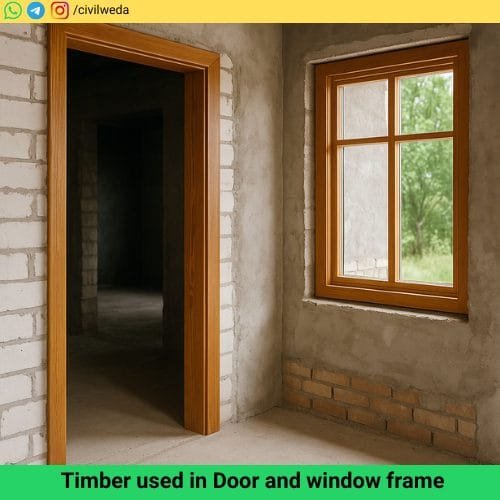
One of the most visible timber uses in construction is in making doors, windows, and frames. Timber is easy to cut, carve, and join, which makes it ideal for creating strong, durable, and stylish openings in buildings. It also provides good insulation against heat and noise, improving the overall energy efficiency and comfort of homes and offices.
6. Interior Finishing and Furniture
Interior works account for a large portion of timber uses in construction, especially in wall paneling, ceilings, staircases, and built-in furniture. Timber’s natural texture and finish add warmth and beauty to interiors, making spaces feel inviting and elegant. In civil projects such as schools, offices, and public spaces, timber is often used for handrails, cabinets, and seating because of its durability and visual appeal.
7. Piles and Small Bridges
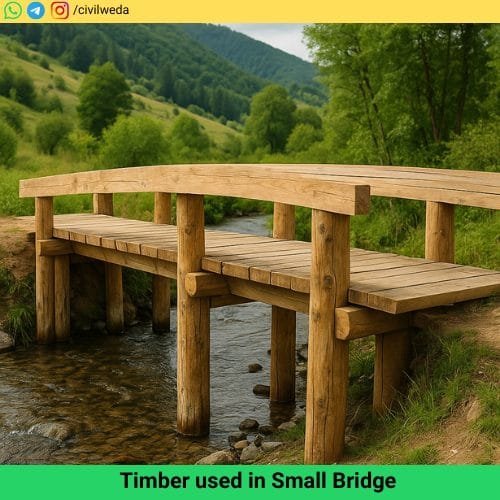
A crucial but less common timber use in construction is in piles and small bridges. In some regions, treated timber piles are used to support lightweight structures or temporary site offices. Timber piles are effective in moist soil and are easier to install in remote locations. Timber is also a practical material for building small pedestrian bridges, rural walkways, and boardwalks due to its availability and low cost.
These timber uses in construction demonstrate why timber has remained relevant despite the growing dominance of concrete and steel. Its combination of strength, ease of use, and natural beauty ensures that timber will continue to serve as a reliable material for many construction needs.
Read more Civil Engg topics
- Chlorination of water
- Per Capita Water Demand
- Pile foundation
- Drip Irrigation
- Viscosity
- Surface Tension
- Instrument used in a chain survey
- Fillet Weld
- Bulking of sand
Conclusion
The timber in construction remains significant even in today’s era of advanced building materials. Its unique combination of strength, workability, and aesthetic appeal makes it an indispensable material for both structural and finishing applications. From scaffolding and formwork to doors, windows, and interior finishes, timber has proven its value over centuries.
For civil engineers and students, understanding the various timber uses in construction is essential for making informed material choices. By following best practices like proper seasoning, treatment, and sustainable sourcing, timber can offer long-lasting performance while supporting eco-friendly construction.
As the demand for sustainable and cost-effective materials grows, timber will continue to play an important role in modern building practices. It bridges traditional craftsmanship with contemporary needs, ensuring that this natural resource remains relevant in shaping the future of construction.
FAQs on Timber Uses
1. Why is timber still used in construction today?
Timber is renewable, eco-friendly, and easy to work with. Its high strength-to-weight ratio and natural insulation properties make it suitable for many structural and interior applications, even in modern construction.
2. Which types of timber are best for construction?
Hardwoods like teak, sal, and oak are preferred for beams, columns, flooring, and outdoor applications due to their durability. Softwoods such as pine and cedar are commonly used for interiors, furniture, and paneling.
3. How is timber preserved for long-term use?
Timber is seasoned to reduce moisture and treated with chemical preservatives to protect it from termites, fungi, and decay. Regular maintenance further extends its life.
4. Is timber more eco-friendly than steel or concrete?
Yes. Timber is a renewable resource that stores carbon and has a lower environmental footprint compared to energy-intensive materials like steel and concrete.
5. Can timber be used for high-rise buildings?
Traditional timber is not suitable for high-rise structures because of its lower compressive strength and fire risk. However, modern engineered timber products like cross-laminated timber (CLT) are increasingly being used in multi-storey buildings.
6. What is the lifespan of timber structures?
Properly treated and maintained timber can last for decades. The lifespan depends on factors like timber quality, exposure conditions, and regular preservation practices.
Thank You for Reading! 🙏
We hope this article helped you clearly understand the timber uses in construction in civil engineering. If you found this complete article useful, please share it with your friends and university students. For more informative posts on civil engineering topics, stay connected with Civil Weda. 🚀